The main warning signs of jaw misalignment are jaw clicking or popping, teeth that do not meet evenly when you bite, uneven or accelerated tooth wear, frequent morning headaches, facial or ear pain, and difficulty opening the mouth fully. Occasional clicking without pain is common and often needs no treatment. Persistent pain, locking, or rapid tooth wear is a functional problem that should be assessed properly, and a bite evaluation is a standard part of restorative assessment rather than a specialist add-on.
Malocclusion is not just a cosmetic concern. The jaw joint, the muscles of mastication, and the teeth work as a single system, and a fault in one part loads the others.
That is why worn or chipped front teeth are frequently the first clue, and why smile design and aesthetic dentistry planning always begins with how the teeth actually function together.
When restoration is needed, precision matters more than usual, and single visit crowns and veneers using CEREC allow the bite to be checked, adjusted, and finalised while you are still in the chair.
Missing teeth are a common underlying cause, because neighbouring teeth drift into the gap, and removable dentures and fixed bridges restore the vertical support that keeps the bite stable.
If symptoms are affecting daily life, you can use online booking to arrange an assessment rather than waiting for it to settle on its own.
Hours, directions, and patient reviews for this Dental Clinic in Woodbridge are publicly listed.
What Jaw Misalignment Means
Jaw misalignment is a broad term covering two related but distinct issues. The first is malocclusion, where the upper and lower teeth do not meet in a balanced way. The second is temporomandibular disorder, or TMD, where the joint itself and the surrounding muscles are dysfunctional or painful.
The two often coexist, but they are not the same thing, and treatment differs accordingly.
Common Types of Malocclusion
- Overbite. Upper front teeth overlap the lower front teeth excessively.
- Underbite. Lower teeth sit ahead of the upper teeth.
- Crossbite. Upper teeth sit inside the lower teeth on one or both sides.
- Open bite. Front teeth do not touch at all when the back teeth are together.
- Crowding and spacing. Teeth are rotated, overlapped, or separated.
- Midline discrepancy. The centre lines of the upper and lower teeth do not match.
The Warning Signs in Detail
Joint Signs
- Clicking, popping, or grating sounds when opening or closing
- The jaw locking open or closed, even briefly
- A deviation of the jaw to one side during opening
- Limited opening, typically less than about 40 millimetres between the front teeth
- Tenderness directly in front of the ear
Muscular Signs
- Morning jaw stiffness or fatigue
- Tension headaches, especially at the temples
- Aching cheeks after chewing
- Neck and shoulder tightness
- Tenderness when pressing the masseter or temporalis muscles
Dental Signs
- Flattened, shortened, or chipped biting edges
- Wear facets that match on opposing teeth
- Notches at the gum line, known as abfraction lesions
- Repeated fracture of fillings, crowns, or veneers
- Teeth that feel loose or have shifted position
- Localised gum recession on teeth carrying heavy contact
- Increased sensitivity without visible decay
Functional and Other Signs
- Difficulty chewing on one side
- Biting the cheek or tongue frequently
- Speech changes, particularly with certain sounds
- Ear fullness, ringing, or pain with no ear infection present
- Facial asymmetry that has developed over time
- Mouth breathing and snoring in some patients
What Causes It
- Genetics and skeletal growth. Jaw size and relationship are largely inherited.
- Childhood habits. Prolonged thumb sucking, pacifier use beyond the recommended age, and tongue thrusting.
- Early tooth loss. Baby teeth lost prematurely allow adjacent teeth to drift into the space.
- Missing adult teeth. Neighbouring teeth tip and opposing teeth over-erupt, collapsing the bite.
- Bruxism. Chronic clenching and grinding wear teeth unevenly and overload the joint.
- Trauma. A blow to the jaw or a whiplash injury.
- Poorly contoured restorations. A crown or filling left slightly high alters the entire bite pattern.
- Arthritic change. Degenerative joint disease affecting the condyle.
- Airway issues. Chronic mouth breathing influences jaw development in children.
Simple Self-Checks
These are screening prompts, not diagnostic tests. They help you decide whether to book an assessment.
- Three finger test. Stack three fingers vertically and try to place them between your front teeth. Difficulty suggests restricted opening.
- Mirror opening test. Open slowly in front of a mirror and watch whether the jaw travels straight or deviates to one side.
- Muscle palpation. Press gently on the cheeks and temples. Note any tenderness.
- Bite check. Close slowly and notice whether one tooth contacts before all the others.
- Wear check. Look at your front teeth edges. Flat, translucent, or uneven edges suggest ongoing wear.
- Morning symptom check. Note whether headaches or jaw ache are worst on waking, which points strongly to night-time clenching.
Professional Assessment: What Happens
- Detailed history including pain pattern, timing, stress levels, and previous dental work.
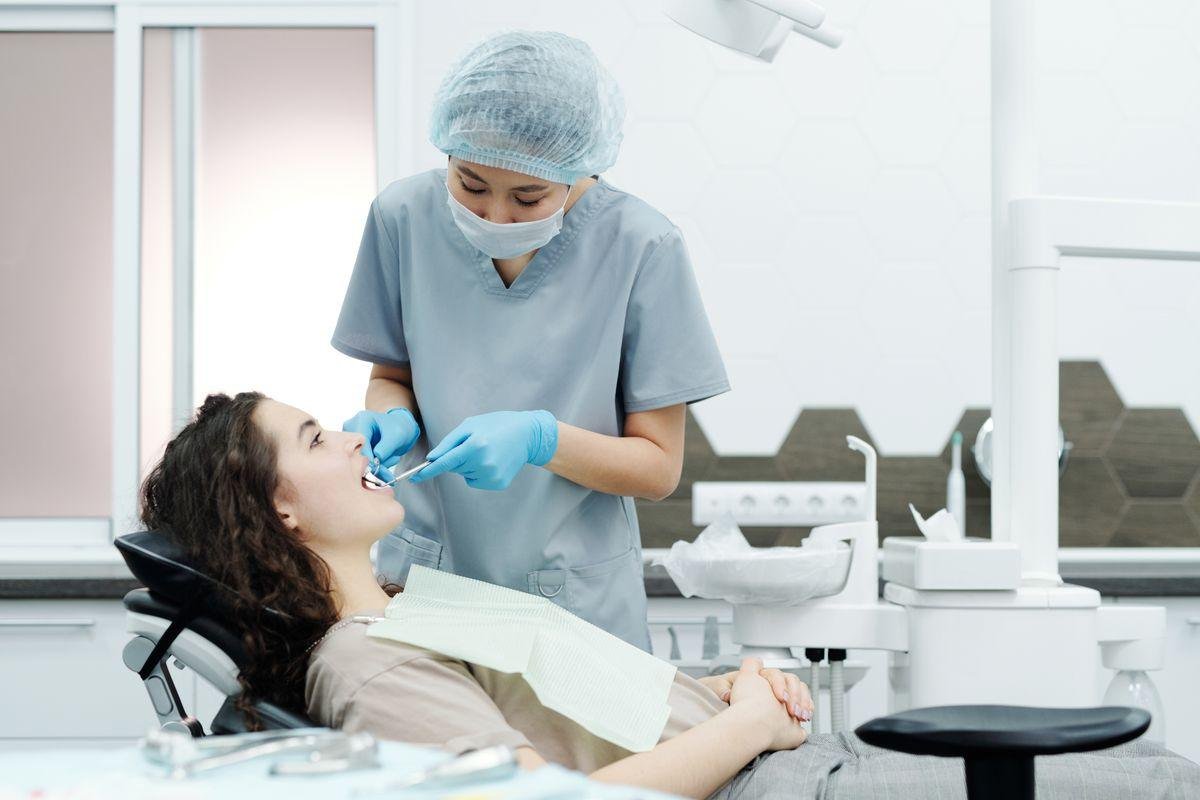
- Clinical examination of joint sounds, range of motion, and muscle tenderness.
- Occlusal analysis using articulating paper to map contact points.
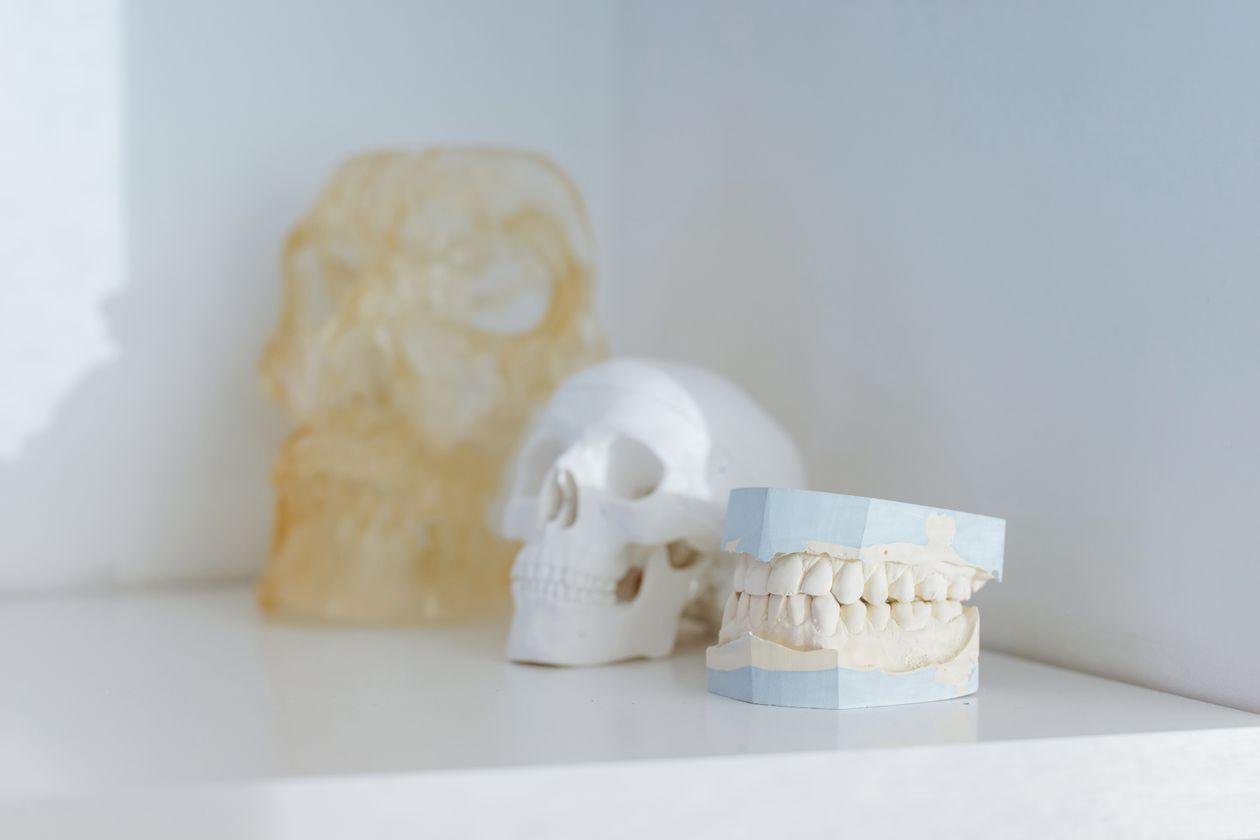
- Photographs and study models or digital scans.
- Radiographs, and in complex cases three-dimensional imaging of the joint.
- Screening for bruxism and airway issues.
- A staged treatment plan, usually beginning with reversible measures.
Treatment Options Compared
- Occlusal splint or night guard: reversible, protects teeth, reduces muscle activity, usually the first step.
- Physiotherapy and jaw exercises: non-invasive, effective for muscular TMD, requires patient consistency.
- Occlusal adjustment: minor reshaping of high contacts. Precise and irreversible, so it is done conservatively.
- Orthodontics: corrects the underlying tooth position. Takes months to years but addresses the cause.
- Restorative rehabilitation: crowns, veneers, and bridges rebuild worn teeth and restore vertical dimension.
- Orthognathic surgery: reserved for significant skeletal discrepancies, planned jointly with a specialist.
- Stress and behaviour management: underrated but often the difference between success and relapse.
Myths About Jaw Problems
Myth: clicking always means you need treatment. Painless clicking with full function is common and frequently requires only monitoring. Pain, locking, and progressive limitation are the features that change the plan.
Myth: TMD is caused entirely by stress. Stress is a significant contributing factor through clenching, but structural issues, trauma, and joint pathology all play roles. Treating only stress misses part of the picture.
Myth: you have to live with it. Most patients improve substantially with conservative, reversible treatment. Surgery is rarely the first option.
Myth: a night guard from the pharmacy is the same as a custom one. Boil and bite guards can alter the bite unpredictably and sometimes worsen symptoms. Custom appliances are made to a recorded jaw relationship.
Myth: worn teeth are just normal ageing. Some wear is expected over decades, but rapid or uneven wear in adults usually indicates a functional problem worth investigating.
When to Seek Care Urgently
- The jaw locks and will not close or open
- Sudden inability to bring the teeth together
- Jaw pain following facial trauma
- Severe pain with swelling or fever
- Numbness in the face or lip
- Rapidly worsening limitation of opening
These need prompt professional attention. This article is general information and does not replace a clinical examination and imaging.
Getting Assessed in Woodbridge
Columbus Dental Centre has cared for Woodbridge and Vaughan families for over 26 years and is trusted for both family and cosmetic dentistry. The practice accepts new patients and CDCP patients under the Canadian Dental Care Plan.
Services include smile design, removable dentures and fixed bridges, CEREC single-visit crowns and veneers, painless oral surgery, fillings and restorations, root canal treatment, dental implants, teeth whitening, preventive care, children dentistry, and laser dentistry. For patients rebuilding a worn bite, CEREC Same Day Crowns Woodbridge technology allows ceramic restorations to be milled and fitted in a single appointment, which shortens a rehabilitation considerably.
Extended hours help with scheduling, including Monday from 10:00 AM to 8:00 PM and Saturday from 9:00 AM to 4:00 PM. Every clinician is registered with the Royal College of Dental Surgeons of Ontario, which sets the professional standards for diagnosis, imaging, and record keeping.
To arrange a bite assessment with a Dentist in Woodbridge, email columbusdentalcentre@gmail.com or call +1 647-931-1100. The Dental Office in Woodbridge is at Suite #201, 8333 Weston Rd, Woodbridge, Ontario, Canada. Patients looking for a Cosmetic Dentist in Woodbridge to fix worn front teeth and those seeking a Best Dentist in Woodbridge for jaw pain often need the same starting point, which is a proper occlusal examination.
Frequently Asked Questions
Is jaw clicking without pain a problem?
Usually not on its own. Painless clicking with normal opening is very common and often stays stable for years. It is worth mentioning at your checkup so it can be monitored, but it rarely requires active treatment by itself.
Can a misaligned bite cause headaches?
It can contribute. Overloaded chewing muscles refer pain to the temples and forehead, and clenching overnight is a frequent trigger for morning headaches. Other medical causes should also be considered rather than assuming the bite is solely responsible.
Will braces fix jaw pain?
Sometimes, when the pain is driven by an uneven bite. Orthodontics is not a guaranteed treatment for temporomandibular disorder, and conservative measures such as a splint are usually trialled first to see how symptoms respond.
How long does a night guard take to help?
Many patients notice reduced morning tenderness within two to four weeks. Full benefit often takes two to three months, and the appliance may need small adjustments during that period.
Can jaw misalignment develop in adults?
Yes. Tooth loss, drifting, heavy wear, poorly fitted restorations, and joint degeneration can all change an adult bite over time, even in someone who had straight teeth as a teenager.
Conclusion
Jaw misalignment announces itself through clicking, uneven wear, morning headaches, and teeth that no longer meet comfortably. Painless clicking is often harmless, but pain, locking, and rapid wear deserve a proper occlusal assessment. Early conservative treatment usually resolves symptoms and prevents the structural damage that becomes far harder to reverse.